Articles
It Had to Be Said
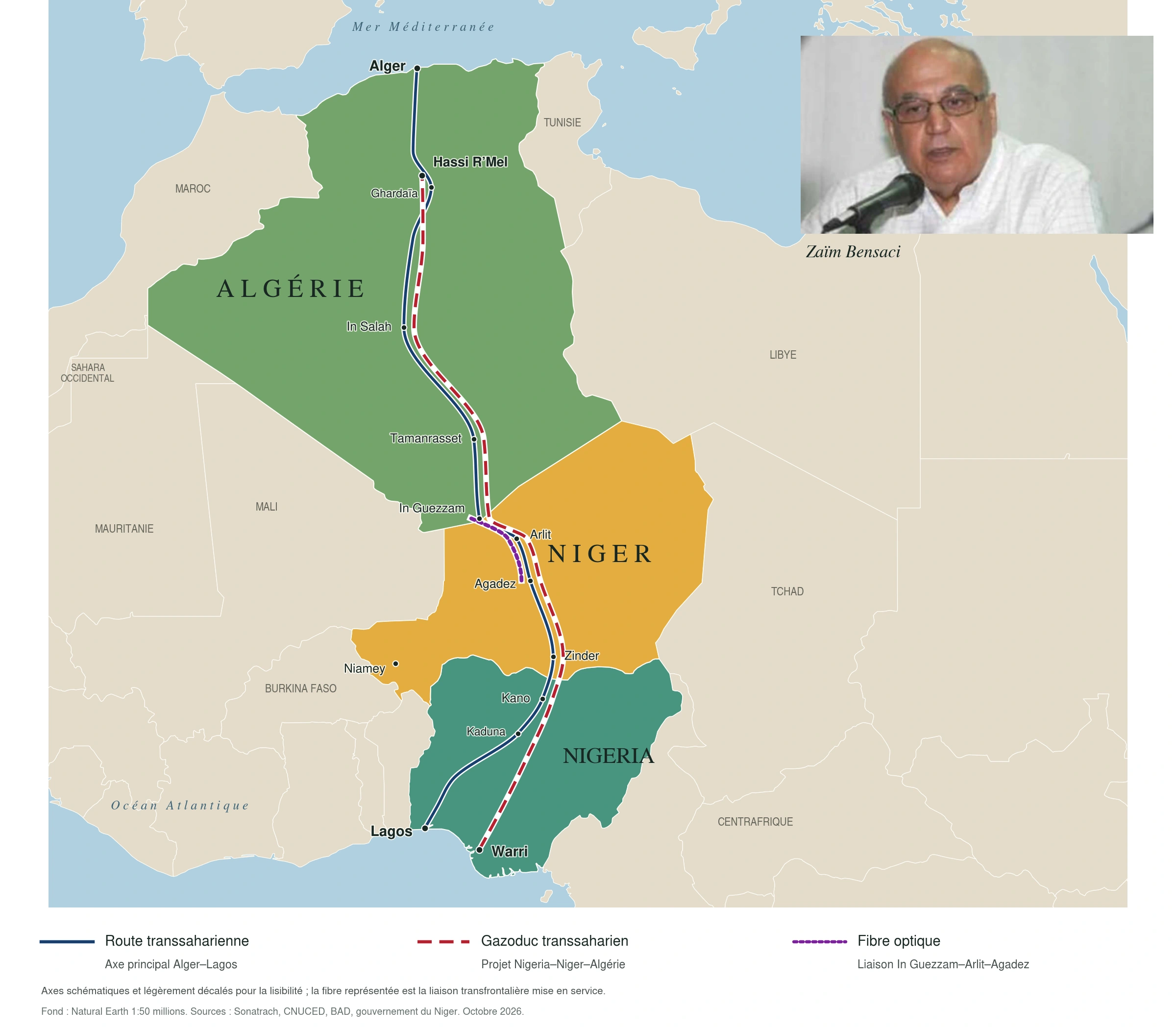
Algeria–Niger: the ANP secures infrastructure, SMEs bring prosperity
At Niamey’s request, Algeria is helping protect shared energy interests. For Zaïm Bensaci, this partnership must also give small and medium-sized enterprises the means to develop trade and create jobs for the people of both countries.
It Had to Be Said
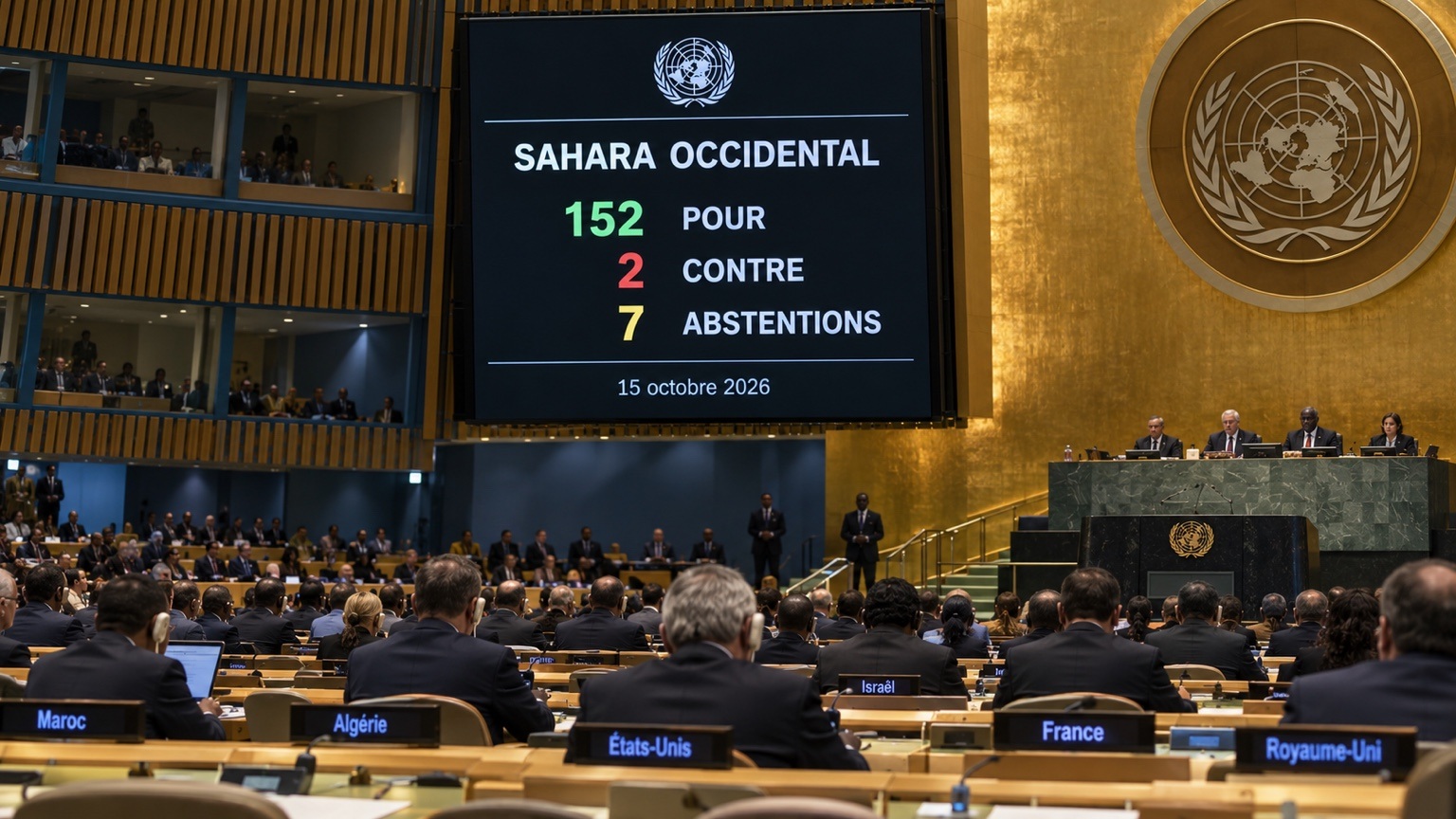
Rebuked by the world, Morocco proclaims victory to its people
152 states have reaffirmed the Sahrawi people’s right to self-determination. Only the United States and Israel voted against. Yet Rabat is once again presenting the vote as a diplomatic victory.
History
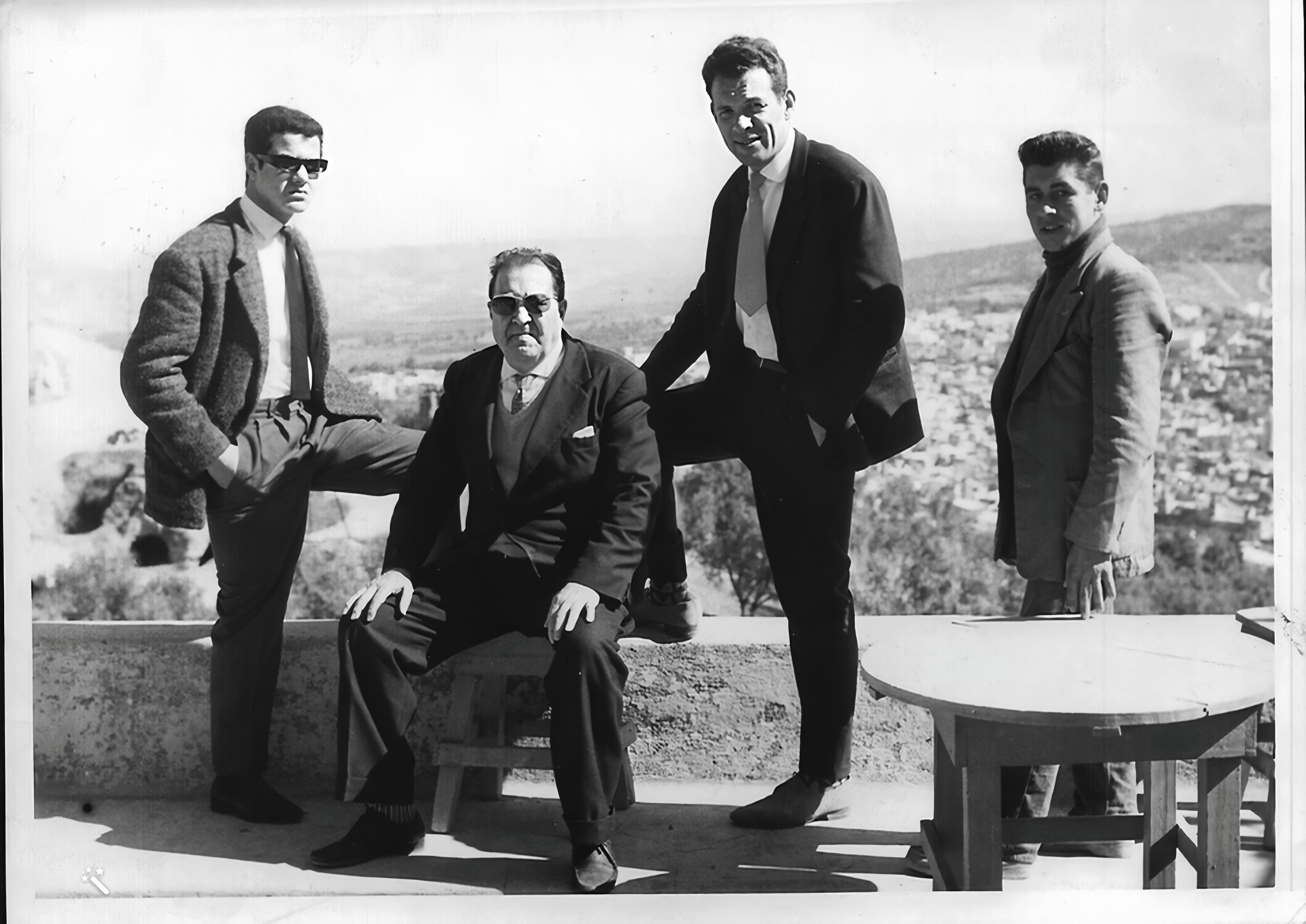
Boussouf and Si Mustapha: the ALN’s other war against the Foreign Legion
The ALN persuaded thousands of legionnaires to desert the French army and organised their return home. How Boussouf and a German who became Si Mustapha waged a formidable psychological war against France.
History
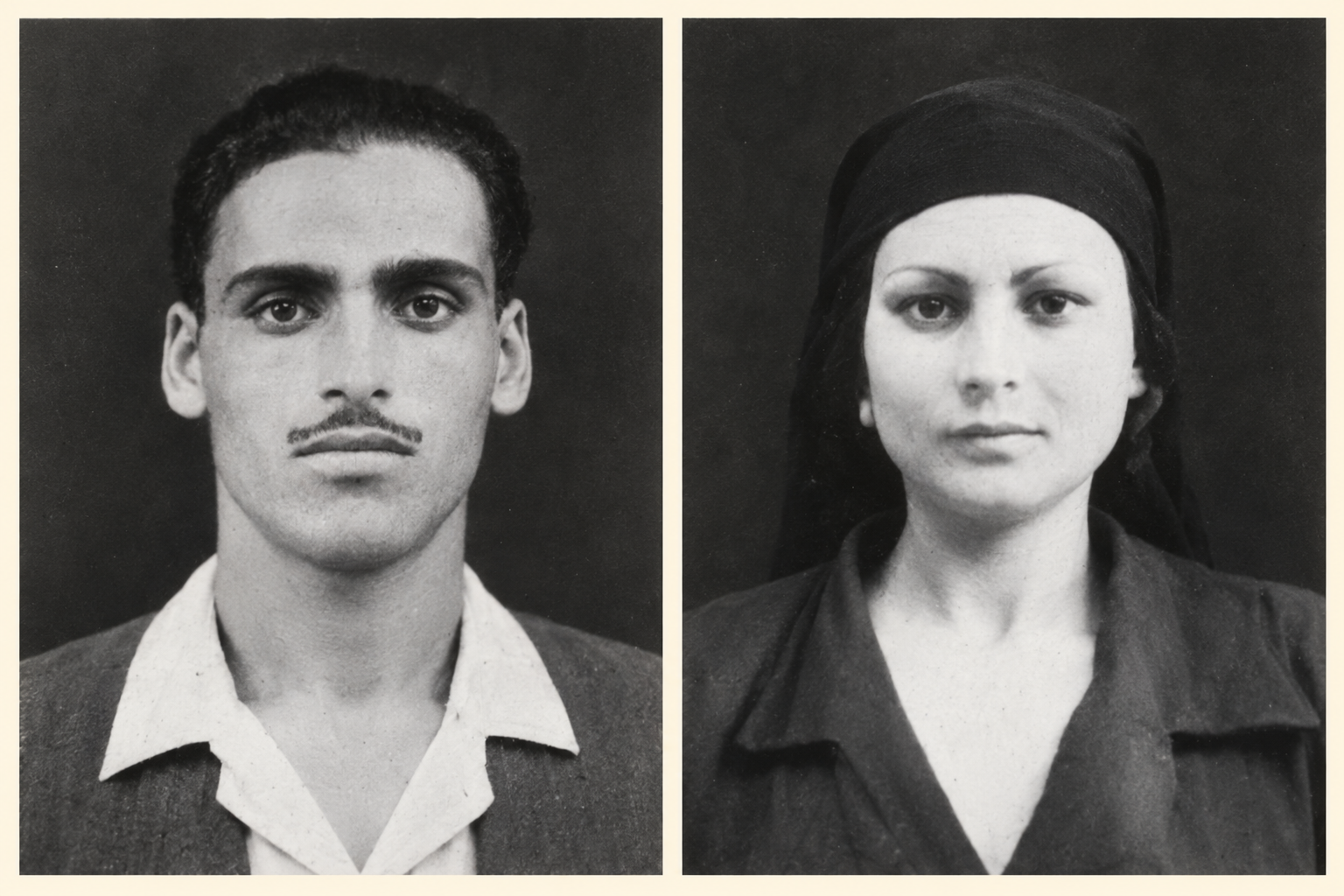
The Algerian families who became Palestinian
They had left Algeria to escape colonialism. In Palestine, they found land again and raised their children. Then they had to leave once more. Letters and faces tell this shared story, all the way to the camps of Gaza.
It Had to Be Said
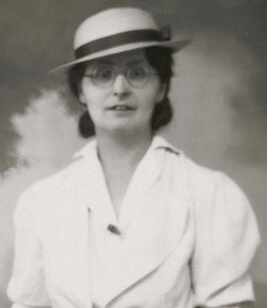
Émilie Busquant Did Not Invent the Algerian Flag
It is often claimed that a French woman created the Algerian flag in the 1930s. Yet historians trace the green and white, the red crescent and star, to Algerian processions fifteen years earlier. And the design associated with Émilie Busquant in 1934 did not even have the arrangement of today’s flag.
History
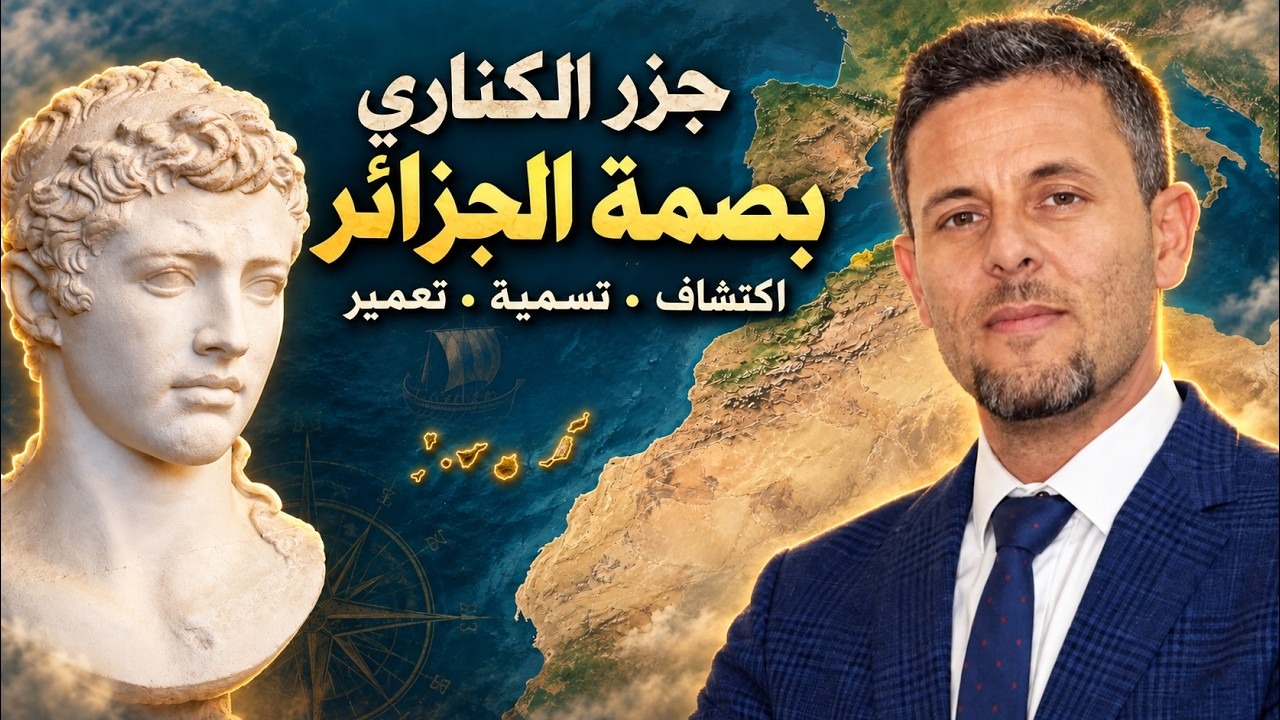
Genetic and historical traces from Numidia to the Canaries: the thread rediscovered by Mohamed Doumir
From Juba II to genetics, Mohamed Doumir brilliantly demonstrates the links between Numidia and the Canary Islands.
Profiles
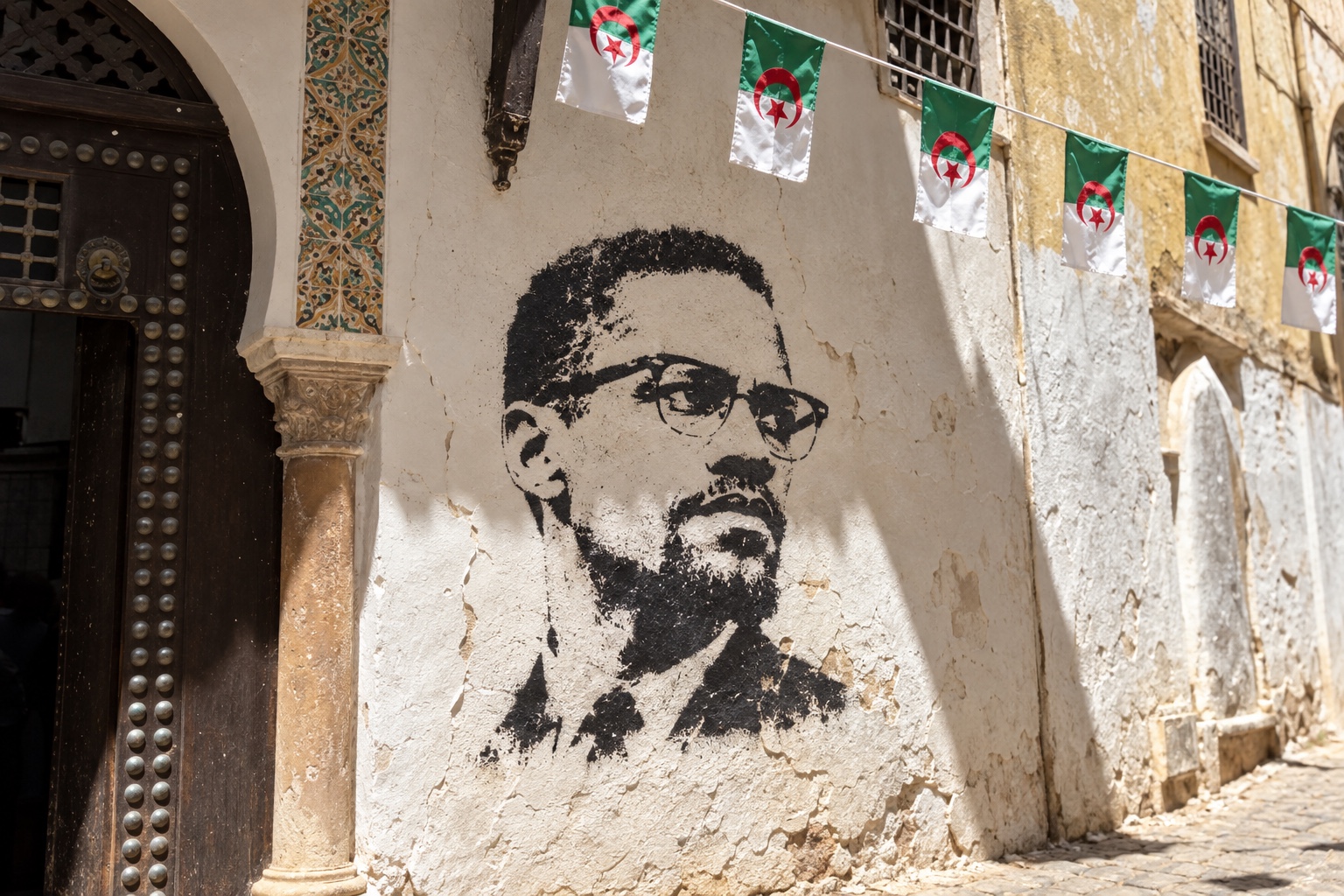
Malcolm X: The Algerian Connection
A victorious revolution, a stay in Algiers, a decisive conversation with a diplomat: Algeria played a part in Malcolm X’s journey. He himself explained how an Algerian ambassador had led him to rethink his definition of Black nationalism.
Profiles
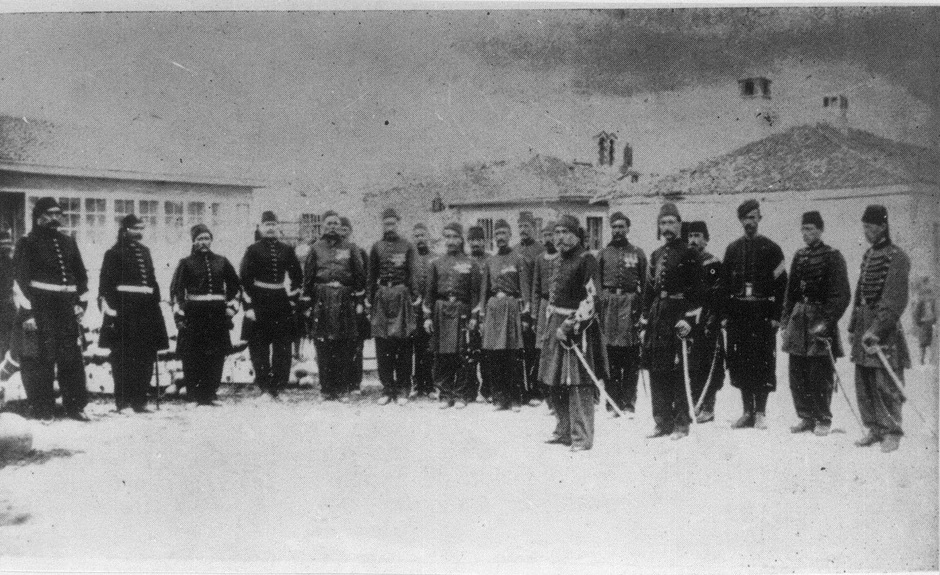
Ali Riza, the Khodja family’s other mirror
Hamdane Khodja’s son, Ali Riza saw the conquest overturn his family’s lives before becoming a military officer and governor in the service of the Ottoman Empire. He also wrote his own book about Algeria. Recovering his story means extending our reading to work our first profile overlooked.
Profiles
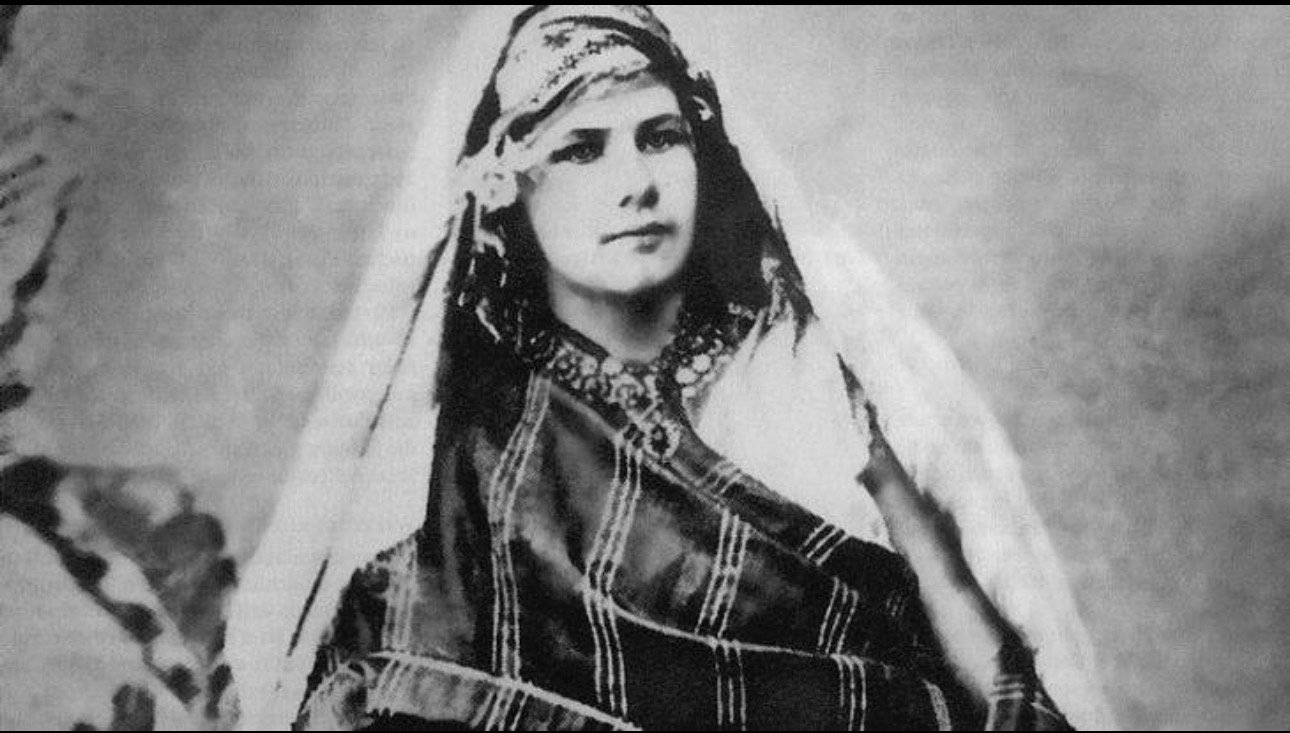
Isabelle Eberhardt, Algeria as her spiritual home
She embraced Islam, loved an Algerian man and travelled through the country under the name Si Mahmoud Saadi. She died at twenty-seven in Aïn Sefra. In her writing, the people whom the colonial system disparaged as “natives” recover their individuality, their voices and their stories.
The Story Behind the Photograph
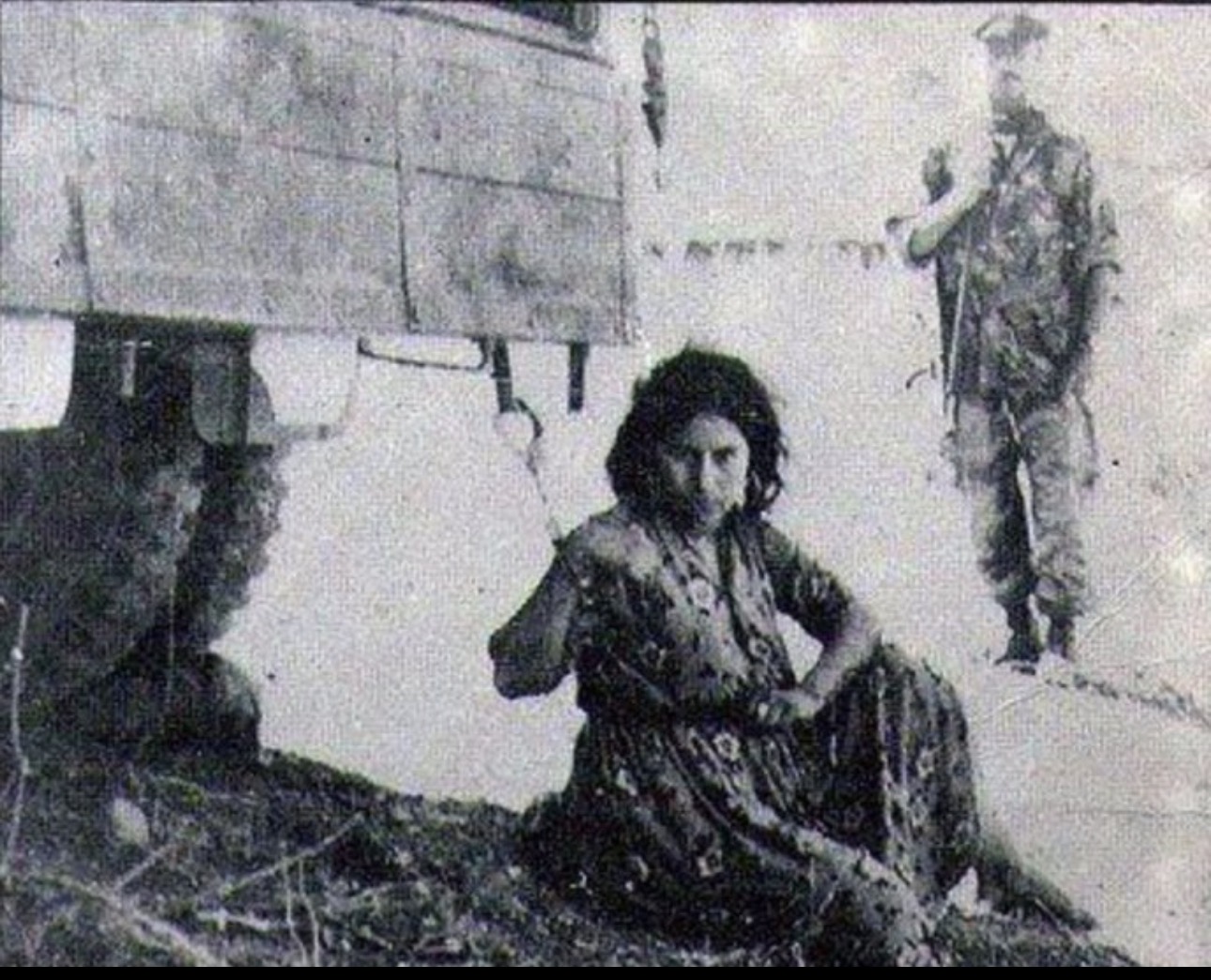
Zoulikha Oudaï’s Unconquerable Gaze
Handcuffed, guarded, displayed as a defeated woman. Yet her gaze alone undid the staging. Behind this photograph stood a resistance organiser and networks that torture failed to expose.
Profiles
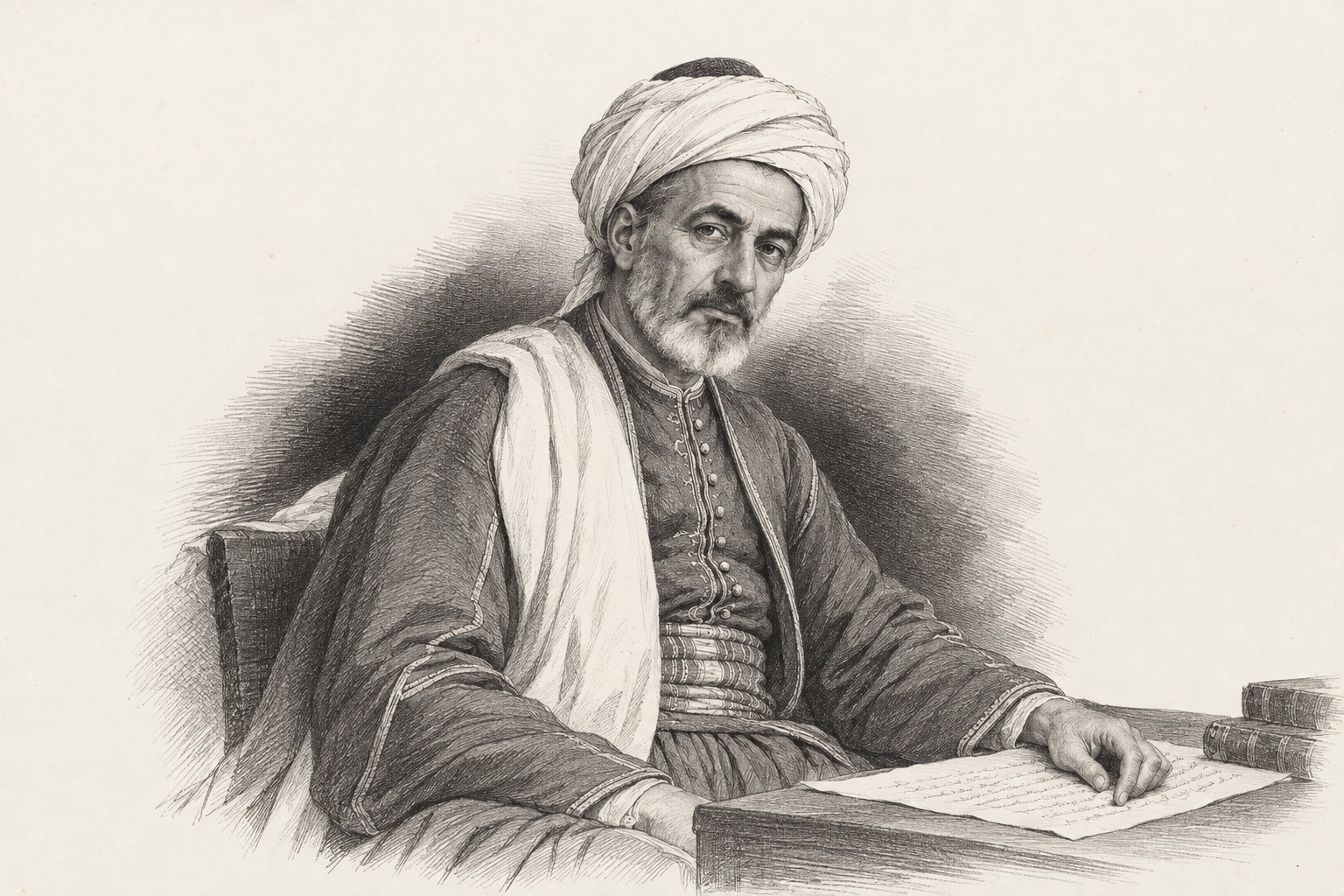
Hamdane Khodja, the first anticolonial intellectual
Long before contemporary polemics reduced pre-1830 Algeria to a pirates’ den, a notable from Algiers had described his country, denounced its conquest and called France to account. Stereotypes were already the answer. Rereading Hamdane Khodja brings us back to a man and a voice that dismantle the narratives used to justify colonialism.
Opinion
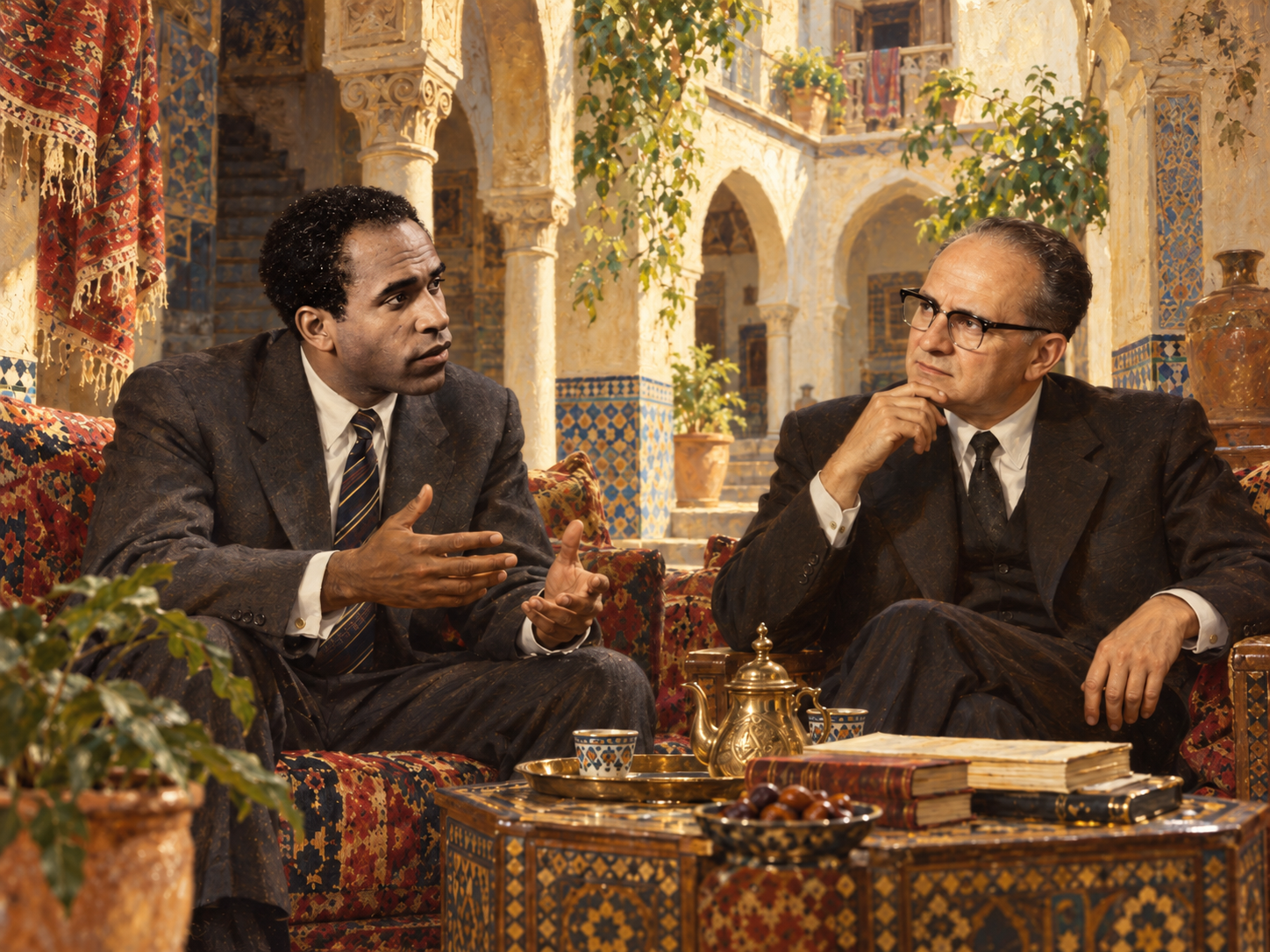
What if we decolonised our minds?
We won our independence in 1962. Perhaps we have not yet fully decolonised the way we see ourselves.
Opinion
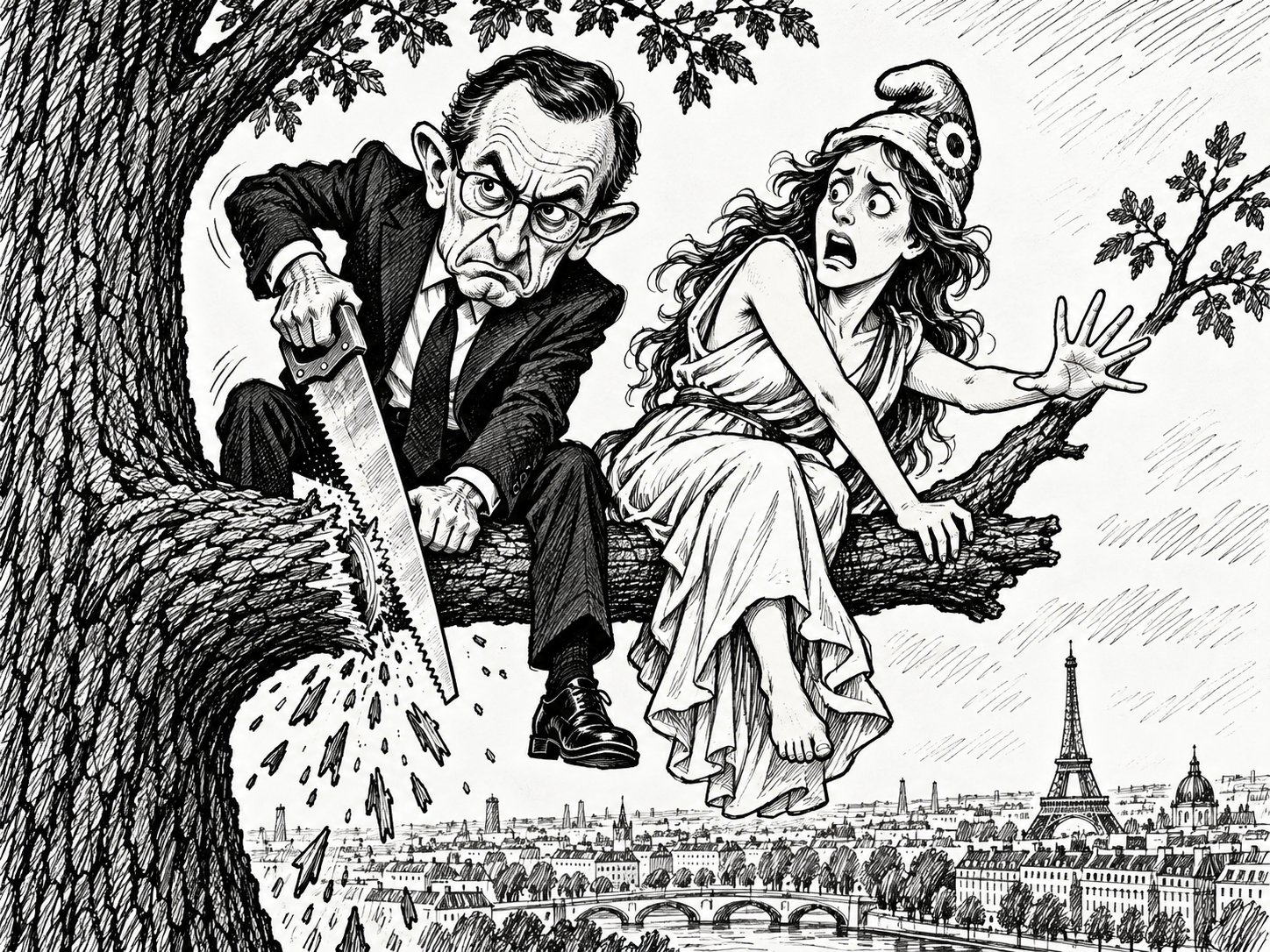
Algeria-bashing killed 600 French businesses
600 bankruptcies. Nearly €2 billion in lost trade.
It Had to Be Said
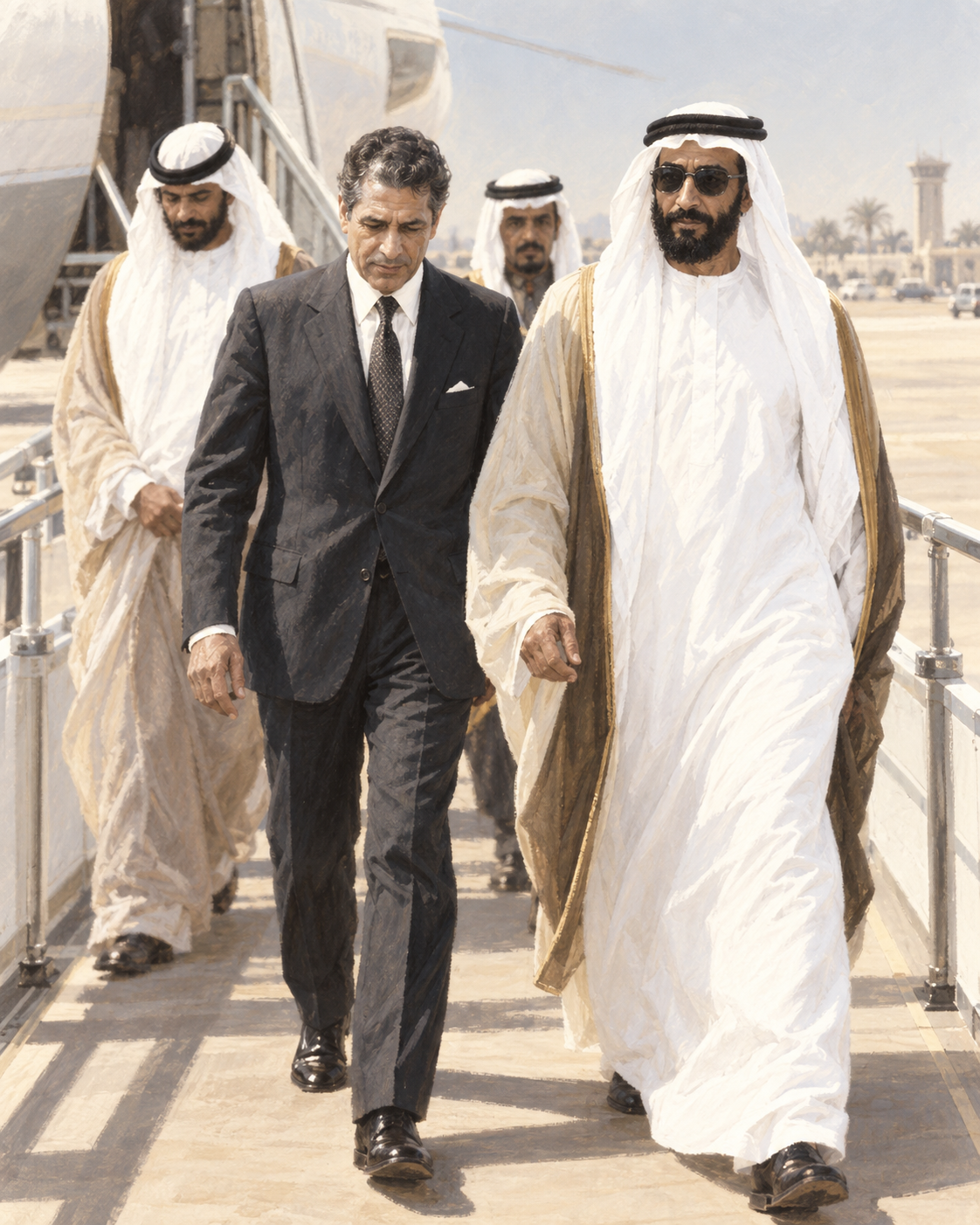
What Abu Dhabi Owes Algiers
Before the towers and the billions, Abu Dhabi had to learn to take control of its oil. Algerian specialists sent by Boumediene helped it do so. British archives and a declassified CIA report shed light on this historical debt to Algeria.
Profiles
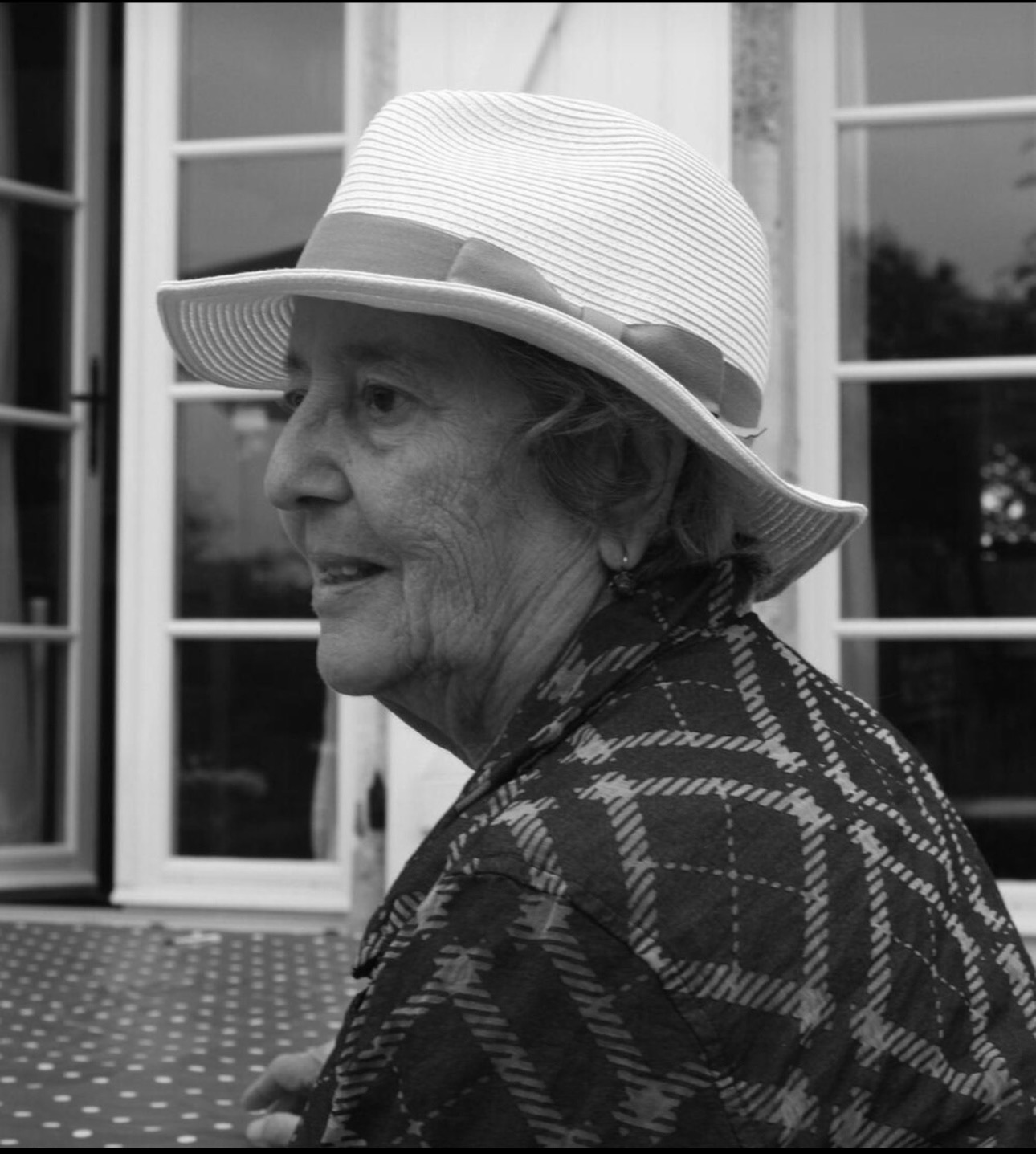
Elaine Mokhtefi, at the Heart of Algiers, Capital of Revolutions
Elaine Klein Mokhtefi died in New York on Friday 11 September 2026. A few weeks earlier, Algeria had granted her citizenship. A final symbolic return to the country whose cause this American woman had embraced before ever seeing it, and where she would encounter Frantz Fanon, organise the Pan-African Festival and become one of the Black Panthers’ principal intermediaries in Algiers. Her life also tells the story of an extraordinary era: a time when African revolutionaries, Black American activists and anti-colonial fighters looked towards Algeria, a land where history could still change direction.
Profiles
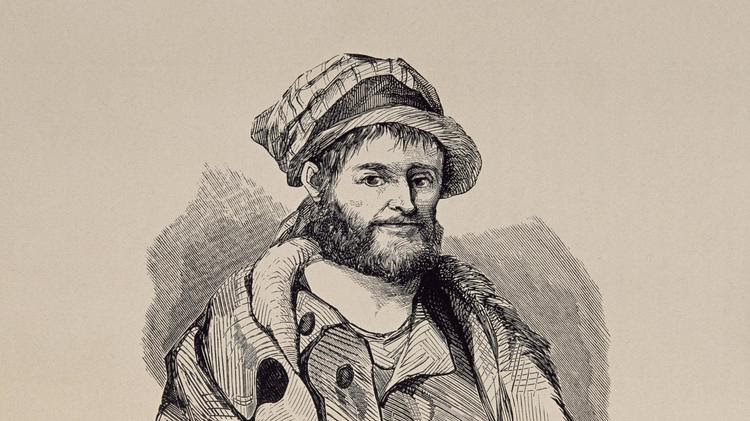
Selim, “the Algerine”
In 1768, British Virginia discovers an educated, multilingual man from Algiers, enslaved by Frenchmen, held for three years among the Iroquois and who emerged alive from the Appalachians after forty-five days on foot. Americans called him Selim the Algerine.

The Story Behind the Photograph
An Algerian Icon Coveted by Her Neighbours
Photographed around 1905 and circulated under the caption “Une Ouled Naïl”, this young Algerian woman has become Tunisian, Moroccan, Amazigh, Aïcha Kandisha or simply a “Berber beauty”. A face so magnetic that everyone has wanted to claim it.
It Had to Be Said
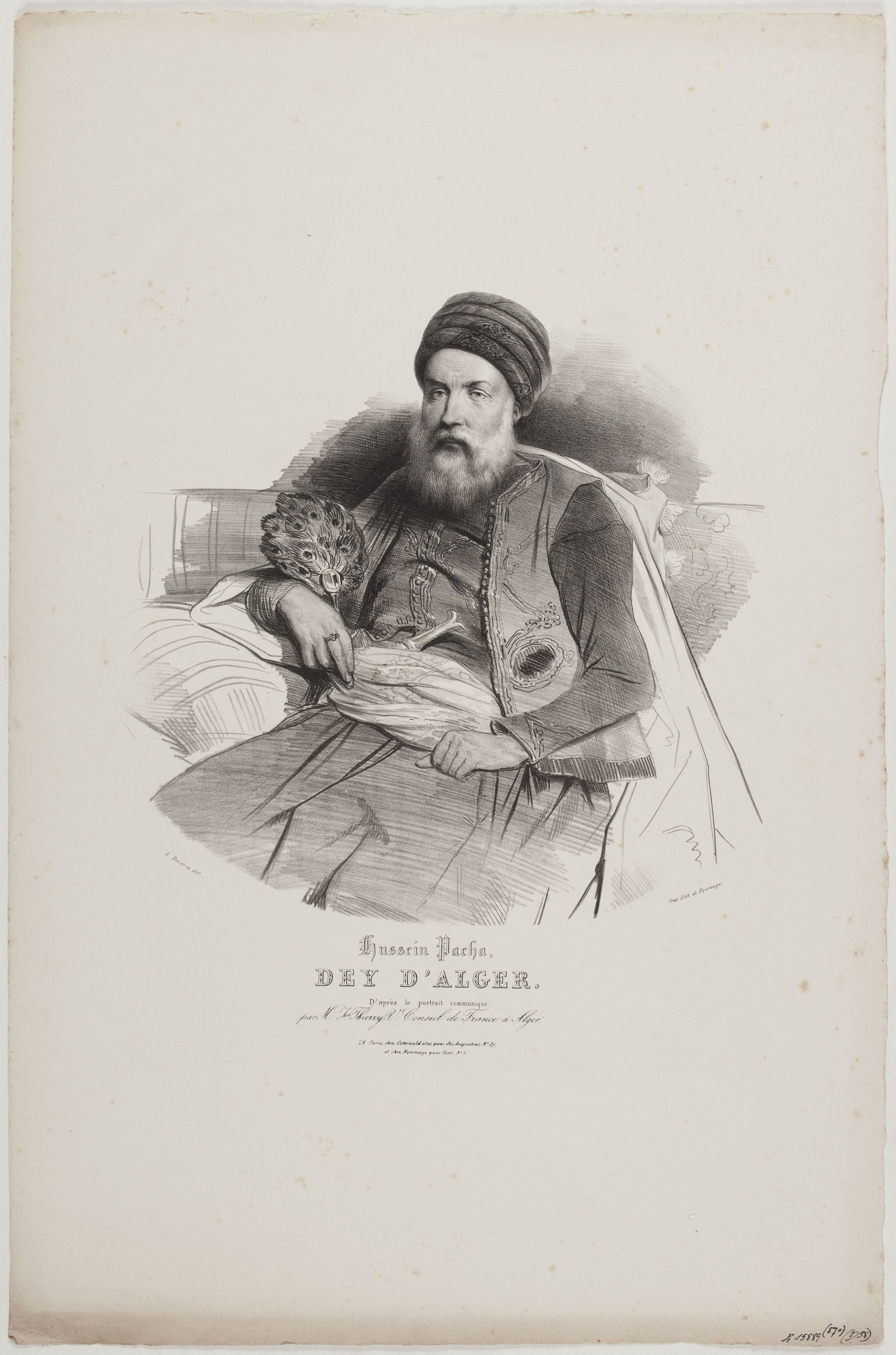
The Ottoman Period Was Not Colonisation
The Ottomans did not arrive in Algeria as the French did in 1830. Yet the expression “Turkish colonisation” keeps recurring in French debate and among Algeria’s detractors — even in the words of Emmanuel Macron. The facts tell a substantially different story.

On This Day
The day the Algerian Revolution formed its government
Cairo, Friday, 19 September 1958. After almost four years of war, the Algerian Revolution is no longer fighting France only by force of arms. It appoints a president and ministers and forms a government, preparing the way for a series of diplomatic victories.

Places & Regions · Heritage
TIMIMOUN — Life Won from the Desert
The palm grove, the market, the craftswomen, the lanes of the old ksar: Timimoun seems to overflow with an improbable energy in the middle of the Sahara. But this abundance is no natural miracle. It tells of centuries of ingenuity, movement and collective organisation in a territory where water determines everything.
THE PLACE TO SEE
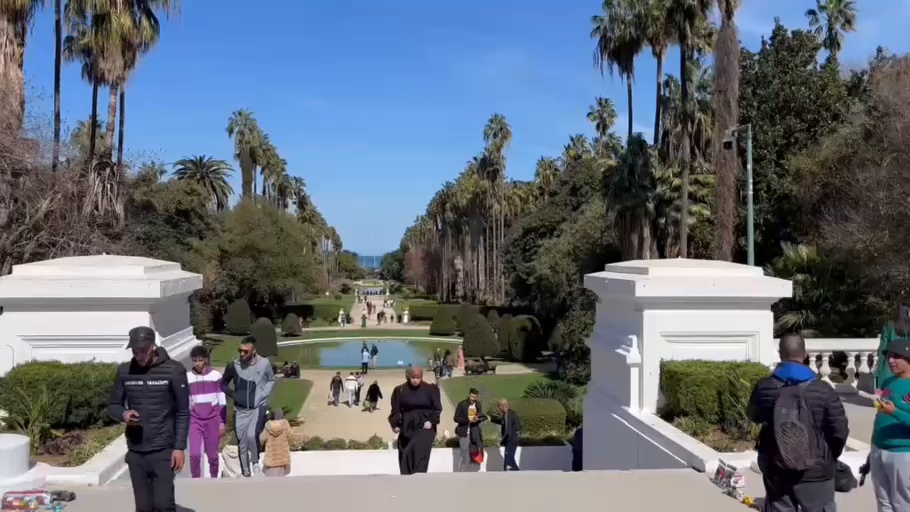
The Jardin d’Essai, Algiers’ Jungle
In Hamma, a formal French garden vista opens below the Martyrs’ Memorial. Then, just a few steps to one side take you into almost tropical vegetation. A place you visit for a stroll and end up getting lost in.