Lives & Legacies
Profiles
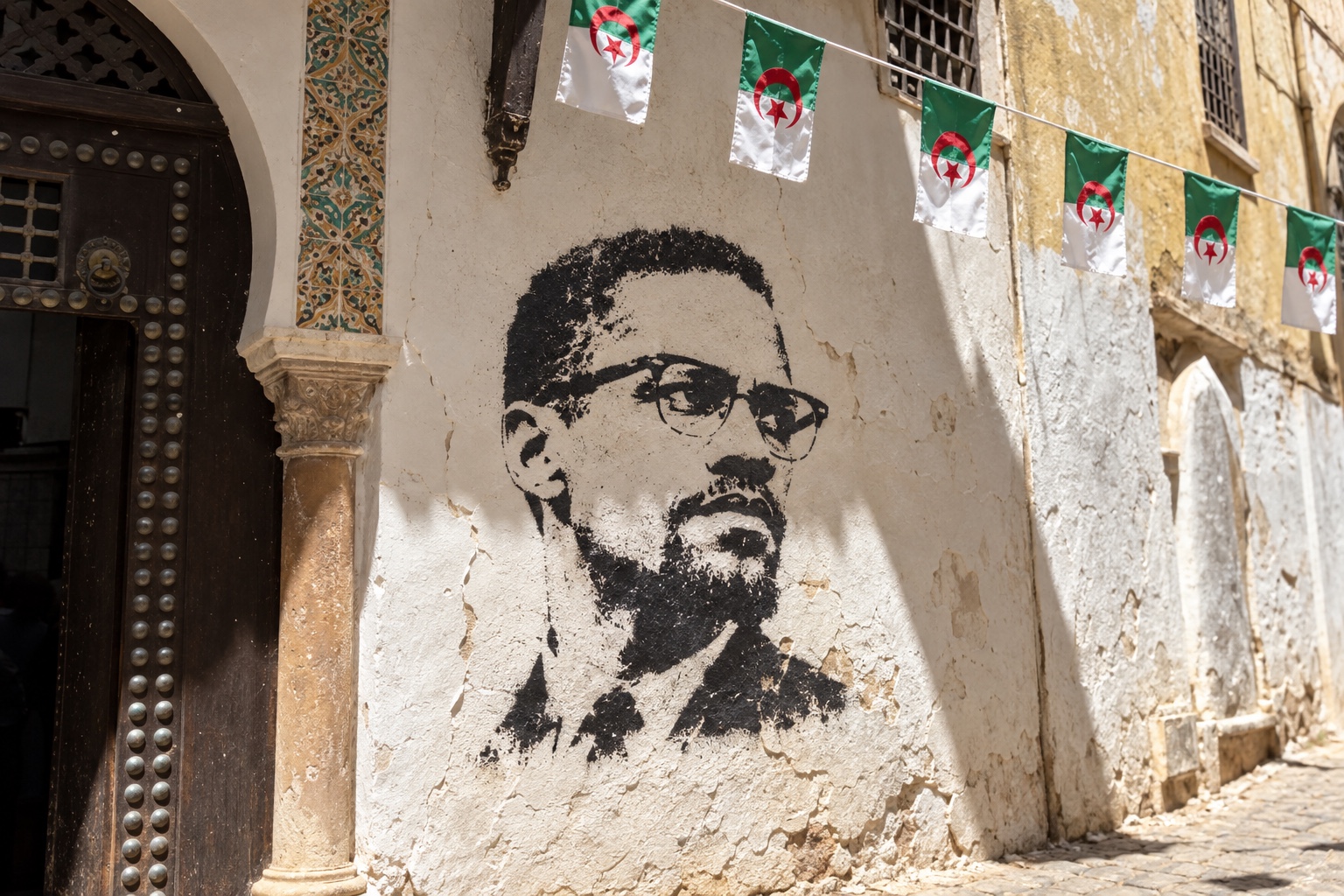
Malcolm X: The Algerian Connection
A victorious revolution, a stay in Algiers, a decisive conversation with a diplomat: Algeria played a part in Malcolm X’s journey. He himself explained how an Algerian ambassador had led him to rethink his definition of Black nationalism.
Profiles
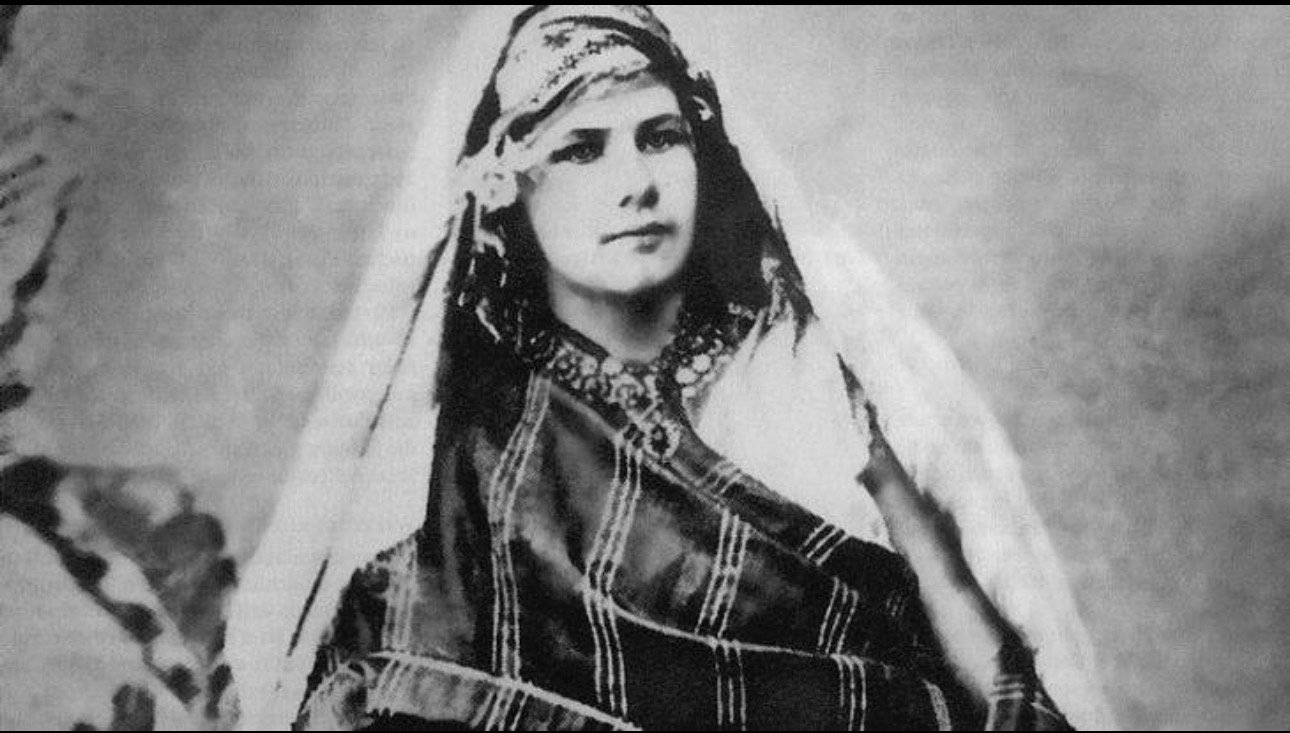
Isabelle Eberhardt, Algeria as her spiritual home
She embraced Islam, loved an Algerian man and travelled through the country under the name Si Mahmoud Saadi. She died at twenty-seven in Aïn Sefra. In her writing, the people whom the colonial system disparaged as “natives” recover their individuality, their voices and their stories.
Profiles
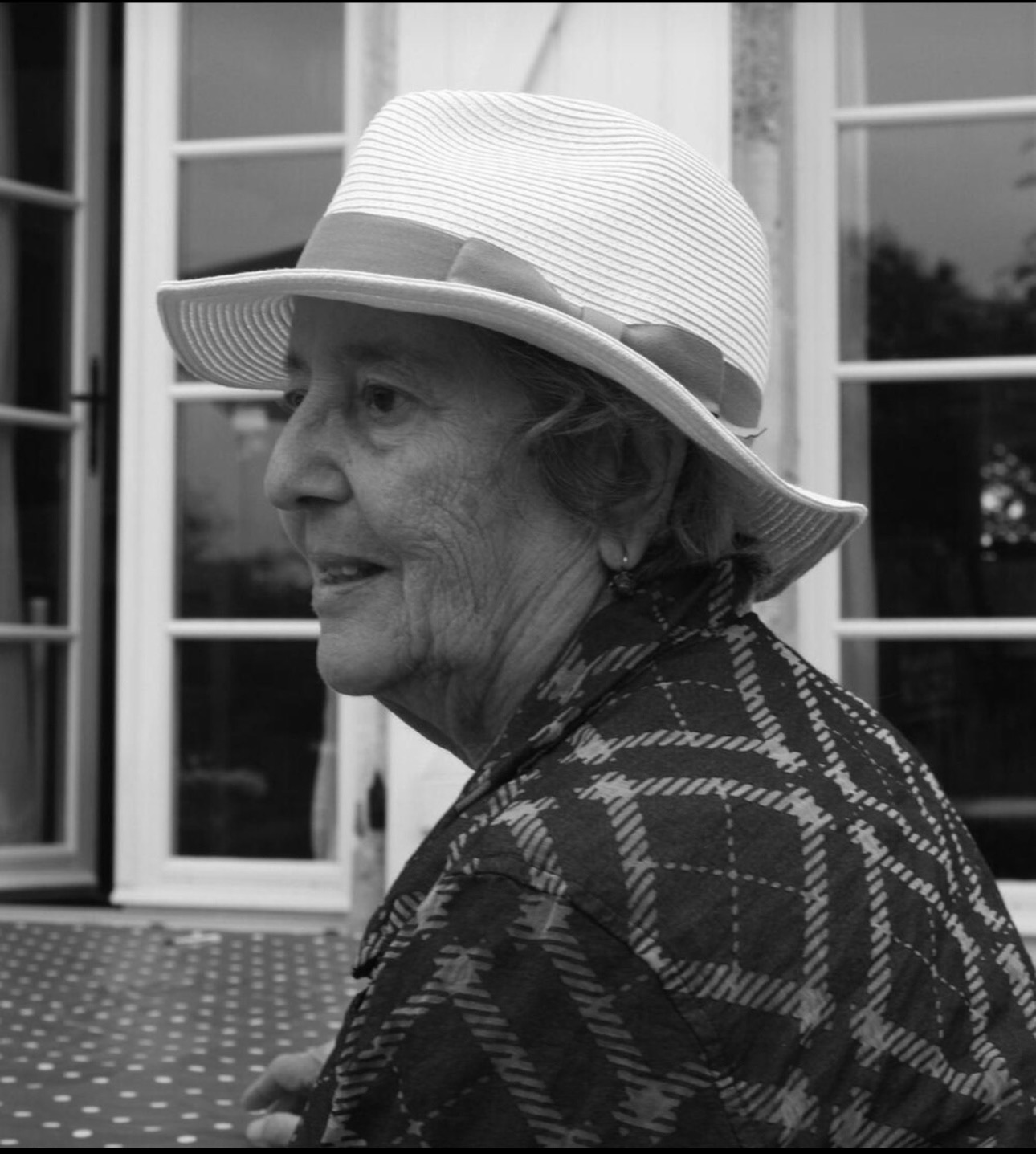
Elaine Mokhtefi, at the Heart of Algiers, Capital of Revolutions
Elaine Klein Mokhtefi died in New York on Friday 11 September 2026. A few weeks earlier, Algeria had granted her citizenship. A final symbolic return to the country whose cause this American woman had embraced before ever seeing it, and where she would encounter Frantz Fanon, organise the Pan-African Festival and become one of the Black Panthers’ principal intermediaries in Algiers. Her life also tells the story of an extraordinary era: a time when African revolutionaries, Black American activists and anti-colonial fighters looked towards Algeria, a land where history could still change direction.
Profiles
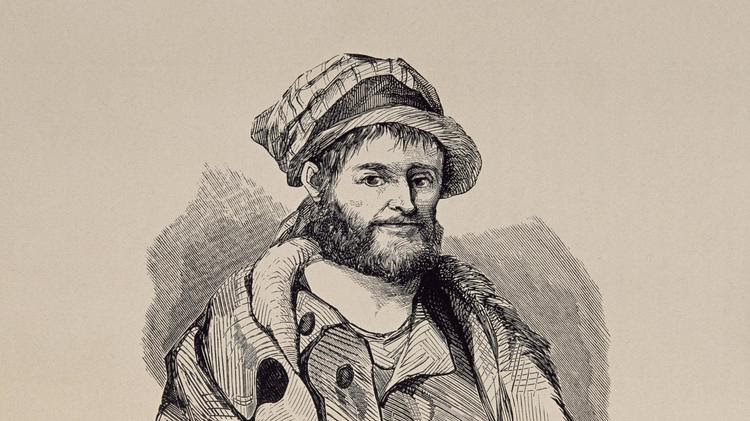
Selim, “the Algerine”
In 1768, British Virginia discovers an educated, multilingual man from Algiers, enslaved by Frenchmen, held for three years among the Iroquois and who emerged alive from the Appalachians after forty-five days on foot. Americans called him Selim the Algerine.

The Story Behind the Photograph
An Algerian Icon Coveted by Her Neighbours
Photographed around 1905 and circulated under the caption “Une Ouled Naïl”, this young Algerian woman has become Tunisian, Moroccan, Amazigh, Aïcha Kandisha or simply a “Berber beauty”. A face so magnetic that everyone has wanted to claim it.

On This Day
The day the Algerian Revolution formed its government
Cairo, Friday, 19 September 1958. After almost four years of war, the Algerian Revolution is no longer fighting France only by force of arms. It appoints a president and ministers and forms a government, preparing the way for a series of diplomatic victories.